Immune Enhancer Yeast β-Glucan | cGMP Factory
What is Yeast Glucan ?
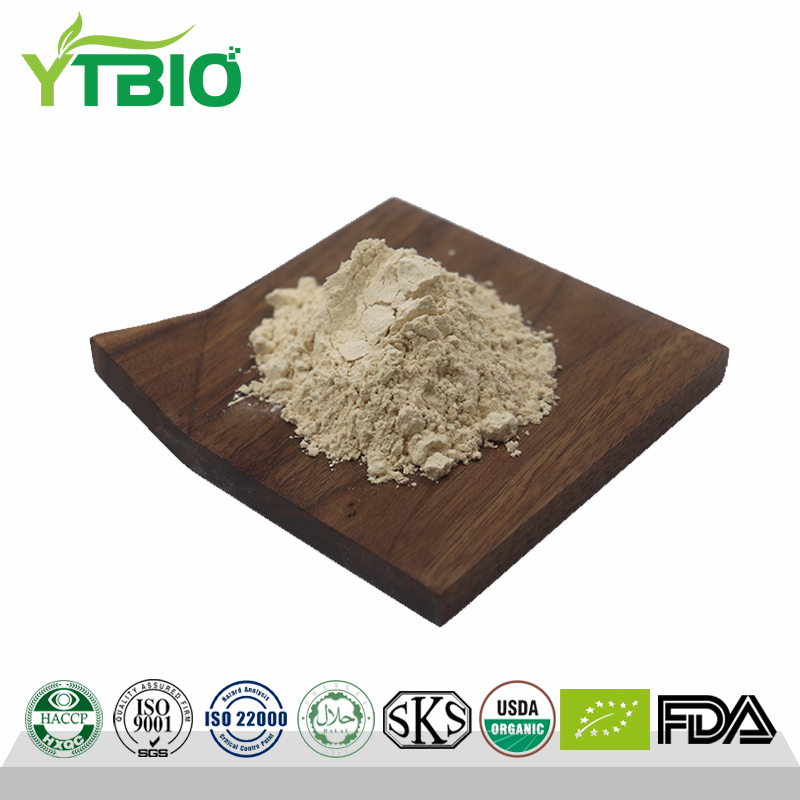
Yeast glucan (also known as yeast β-glucan) is a functional polysaccharide primarily found in yeast cell walls. Its molecular structure consists of a β-1,3-D-glucan backbone with β-1,6-D-glucan branches. This unique conformation gives it significant biological activity. In nature, this component is also widely found in plants and fungi such as shiitake mushrooms, Ganoderma lucidum, and oats.
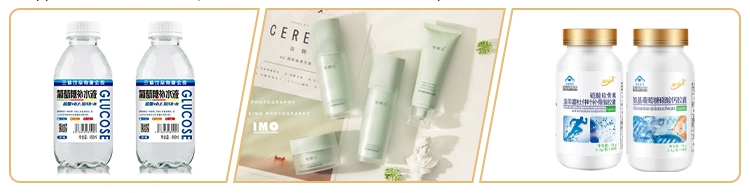
In the food industry, yeast glucan, due to its water-binding properties, is often used as a natural ingredient in dairy products, meat products, baked goods, and beverages to thicken, moisturize, and improve taste. It can also be used as a health food ingredient, demonstrating its unique physiological regulatory properties.
In cosmetics, this ingredient is widely used in personal care products such as facial masks, hand creams, and body washes, thanks to its properties of promoting skin repair, moisturizing, and improving skin texture.
Furthermore, yeast glucan plays a key role in maintaining the structural integrity of yeast cells. Its tight network structure is an important foundation for supporting cell morphology.
What are the benefits?
Yeast beta-glucan, a natural bioactive polysaccharide, has positive effects on human health in many ways:
1. It effectively activates immune cells such as macrophages, enhancing their phagocytic capacity and boosting overall immune function by regulating immune signaling. Studies have shown that its combination with antibiotics can significantly improve the effectiveness of anti-infective treatments.
2. In terms of metabolic regulation, yeast beta-glucan effectively regulates blood lipid levels by promoting bile acid excretion and interfering with cholesterol absorption.
3. In irradiated organisms, it can promote immune system recovery, increase hematopoietic cell viability, and accelerate tissue repair.
4. Yeast beta-glucan also promotes skin cell renewal and repair, enhancing the skin's natural resistance and helping to slow the aging process.
5. Furthermore, it acts as a prebiotic, regulating the intestinal microecological environment, promoting the proliferation of beneficial bacteria, and maintaining intestinal health.
These properties offer yeast beta-glucan broad application prospects in nutrition and health care, clinical adjuvant therapy, and daily health maintenance.
Extraction Process
Currently, the main methods for preparing yeast glucan both domestically and internationally include acid-base, enzymatic, and oxidative extraction.
1. Acid-Base Method
80 g of yeast cell walls were suspended in 1000 mL of 4% NaOH solution, incubated at 95°C for 1 hour, and centrifuged. The insoluble matter was suspended in 2000 mL of 3% NaOH solution, incubated at 75°C for 3 hours, and centrifuged. The insoluble matter was suspended in distilled water, the pH was adjusted to 4.5 with hydrochloric acid, and the mixture was incubated at 75°C for 1 hour. The mixture was centrifuged, washed, dehydrated, and dried to obtain yeast glucan. The choice of acid during the acid treatment significantly affects the glucan yield. Too weak an acidity will incompletely remove acid-soluble glycogen and β-1,6-glucan, while too strong an acidity will degrade alkali-insoluble glucan, reducing the yield. Therefore, using acetic acid to adjust the pH to 4.5 is optimal.
2. Enzymatic Method
The acid-base method is rapid and efficient, but while it can produce glucan products of high purity, it requires large amounts of acid and alkali, poses significant environmental risks, requires the use of organic solvents, and can damage the glucan molecules. To overcome these limitations, researchers domestically and internationally have adopted a gentler process for extracting yeast glucan. This involves adding 1.3 kg of yeast cell walls to 8.8 L of water, adjusting the pH to 7.0, and incubating at 125°C for 5 hours. Centrifugation is then performed, followed by washing twice. The insoluble matter is then brought to 10 L of water and treated with savinase (alkaline protease) for 5 hours. Centrifugation, washing, and drying are followed by washing with ethanol or acetone to yield glucan with a content exceeding 85%.
Application direction
Yeast beta-glucan, a natural active ingredient, demonstrates significant application value in both the food and personal care industries.
In the food industry, this ingredient is widely used in products such as dairy products, meat products, baked goods, pasta, beverages, and confectionery. It not only effectively enhances the nutritional value of these products but also improves their texture and taste.
In the personal care industry, yeast beta-glucan, due to its unique bioactivity, has become a key functional ingredient in personal care products such as facial cleansers, skin creams, lotions, shampoos, toothpastes, and facial masks. It is also a commonly used bioactive reagent in laboratory research and development.